how is surfactant administered to premature babies
Surfactant has been administered either by disconnecting the infant from the ventilator and applying bagging or by continuing ventilation during the procedure. Natural surfactant is produced by the fetus before they are born and their lungs are prepared to breathe properly by about 37 week gestation.

Less Invasive Surfactant Administration A Word Of Caution The Lancet Child Adolescent Health
RDS is more common in premature newborns because their lungs are not.

. Why is RDS a factor in premature babies. Surfactant allows the sacs to remain open. An unborn baby starts to make surfactant at about 26 weeks of pregnancy.
Nebulized surfactant and mask airway surfactant do not require intubation. Surfactant is administered in liquid form via an endotracheal tube in a single bolus dose as quickly as the neonate tolerates. Exogenous surfactant therapy has been a significant advance in the management of preterm infants with RDS.
If a baby is premature born before 37 weeks of pregnancy they may not have made enough surfactant yet. Surfactant should be delivered through an in-line catheter with the tip located at the mid trachea level. The doctor will determine the doses based on your babys needs.
When there is not enough surfactant the tiny alveoli collapse with each breath. Low amounts of surfactant lead to poor lung function. Regarding this how do premature babies get surfactant.
A substance called surfactant is an essential part of the process allowing alveoli to remain open. The majority of surfactant given to preterm infants is administered off-label. How often is it given.
Surfactant treatment reduces the risk and the severity of respiratory distress syndrome rds in premature infants. A blood sample may also be analyzed to measure the red blood cell count and check for anemia or assess for an infection. However more recently noninvasive methods like least invasive.
Without it the air sacs open but have difficulty remaining open because they stick together. In infants 29-32 weeks gestation LISA may reduce the occurrence of pneumothorax and need for mechanical ventilation¹³ Safety and efficacy of minimally invasive techniques of surfactant delivery in infants. Surfactant is a kind of foamy fatty liquid that acts like grease.
Evidence for Surfactant in Preterm Infants The following summarises the evidence for exogenous surfactant in preterm infants. Surfactant has traditionally been administered through an endotracheal tube either as bolus in smaller aliquots 21 or by infusion through an adaptor port on the proximal end of the endotracheal tube. Blood samples are collected through a heel stick or a needle inserted into a vein to monitor a number of critical substances including calcium glucose and bilirubin levels in your babys blood.
It then spreads out into the air sacs of the lungs. The surfactant is administered via a thin catheter into the trachea in small aliquots while the baby is spontaneously breathing on CPAP support. Alternatively surfactant may be administered via a thin catheter during spontaneous breathing.
This results in stiff collapsible lungs and increased fluid in the lungs making it hard work to breathe. These medications are injected at least 24 hours before the baby s birth but ideally no more than a week in advance. 19 In an animal model administration of surfactant as an intratracheal bolus while disconnected from the mechanical ventilator resulted in more uniform distribution.
In babies less than 29 weeks gestation alec significantly improved the mean sem compliance at 6 hours from 054 006 to 091 013 mlcm h2o. Ad Learn About A Neonatal Surfactant How It May Help. The lungs absorb surfactant over a number of hours so it may need to be given up to 4 times in the first 48 hours of life.
This liquid makes it possible for babies to breathe in air after delivery. Premature infants may be born before their lungs make enough surfactant. Surfactant premature babies treatment prevention.
The endotracheal instillation of surfactant is the most widely accepted technique. Preterm infants with respiratory distress syndrome RDS requiring surfactant therapy have been traditionally receiving surfactant by intubation surfactant and extubation technique InSurE which comprises of tracheal intubation surfactant administration and extubation. How surfactant works.
The uptrend in administration via INSURE coincides with increased supporting evidence. It is used to replace the natural surfactant produced by babies lungs which is missing in premature babies. Some babies however particularly premature babies are born without surfactant and this causes rds.
Some studies recommend administering all the surfactant at once while others advocate dividing the bolus into smaller aliquots. Surfactant comes in a liquid form that is squirted directly into the breathing tube. They have used six surfactant preparations.
The gap between FDA labeling and current clinic practice exemplifies an opportunity for label expansion which may require additional.
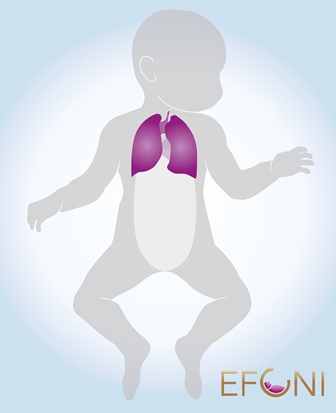
Surfactant Replacement Therapy A Milestone In Neonatology Efcni

Clinical And Experimental Pediatrics

Respiratory Distress Syndrome

Respiratory Distress Syndrome Of Newborns A Brief Discussion

Surfactant Administration Nicu Youtube
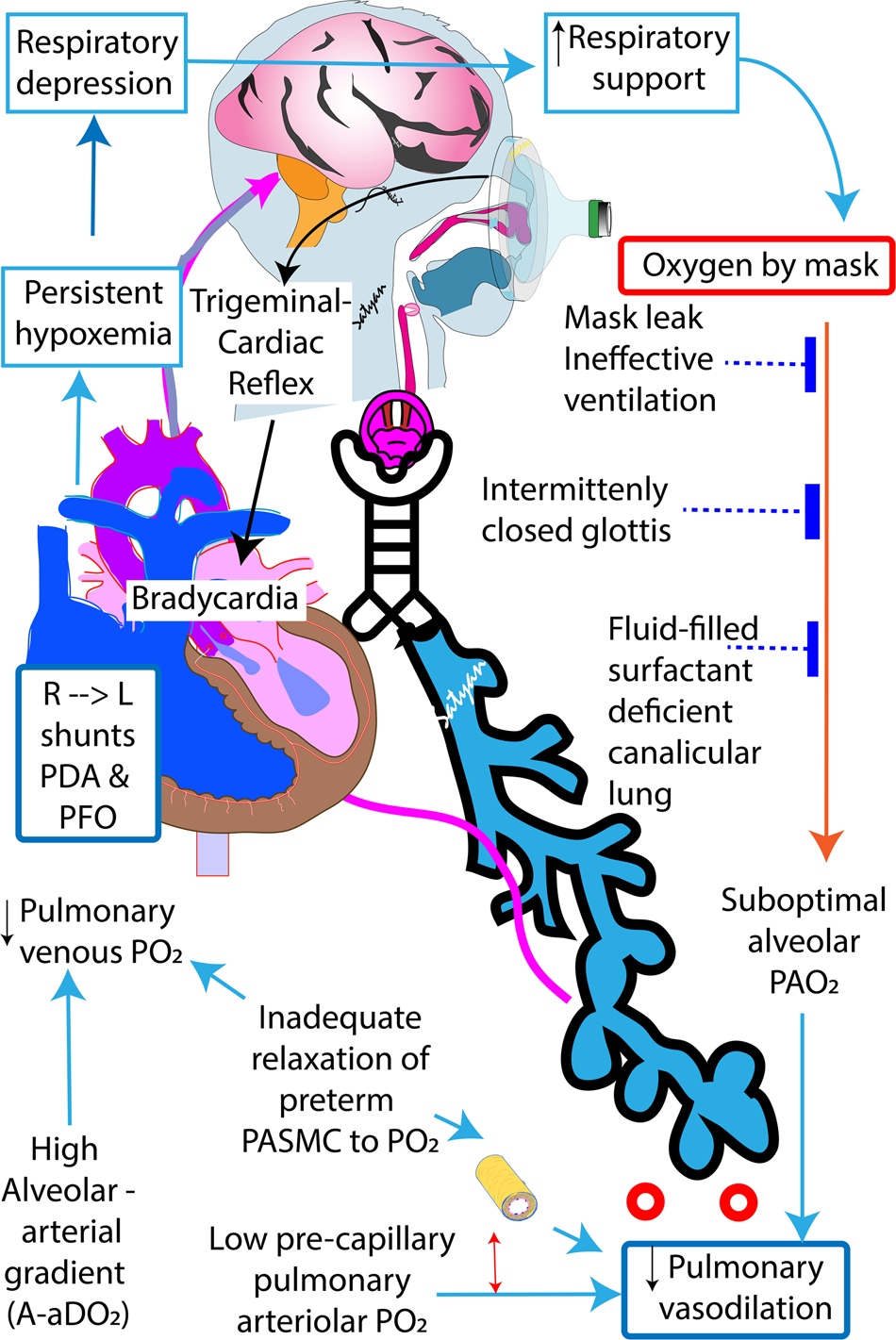
Hemodynamic Consequences Of Respiratory Interventions In Preterm Infants Journal Of Perinatology
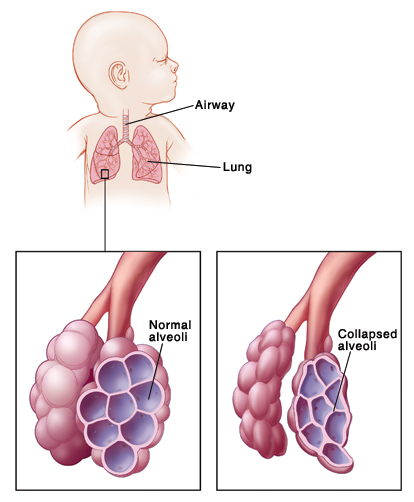
Respiratory Distress Syndrome In The Premature Infant Saint Luke S Health System

Less Invasive Surfactant Administration A Word Of Caution The Lancet Child Adolescent Health
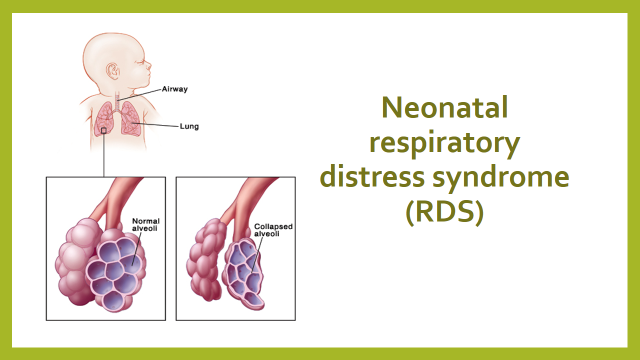
Respiratory Distress In Infants And Adults Brave Beginnings

Flowchart Of The Administration Of Surfactant Download Scientific Diagram

Nicu Procedures Surfactant Administration In A Preterm Infant Youtube

Surfactant Administration Nicu Youtube

Respiratory Distress Syndrome Rds In Newborns Diagnosis Treatment

Lung Surfactants Antenatal Corticosteroids Nursing Pharmacology Osmosis

Pdf Use Of Surfactant Therapy

Surfactant Replacement In Neonates By Brian Walsh For Openpediatrics Youtube

Respiratory Distress Syndrome Of The Newborn Rt

Should We Give Up On Nebulised Surfactant Neonatal Research
How To Use Surfcath A Catheter For Smoother Administration Of Surfactant In Premature Babies Youtube